Rust can affect the appearance, condition, and usability of metal equipment, machinery, components, and structures. Removing rust effectively is important for maintenance, restoration, painting, welding, and surface preparation.
Laser rust removal provides a modern way to clean rust and oxidation from suitable metal surfaces using controlled laser energy. Unlike traditional mechanical or abrasive methods, laser cleaning is a non-contact process that can be precisely controlled for different surfaces and applications.
For industrial facilities, manufacturers, automotive businesses, marine operations, and maintenance teams, industrial laser rust removal can provide a practical solution for cleaning metal components and equipment.
What Is Laser Rust Removal?
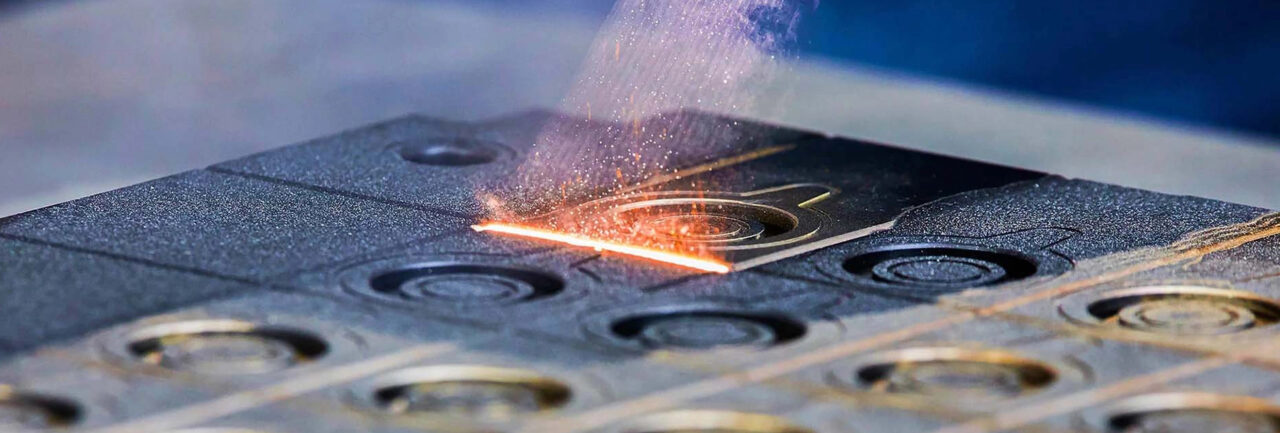
Laser rust removal is a cleaning process that uses focused laser energy to remove rust, oxidation, and other unwanted surface contaminants from metal.
The laser is directed over the affected area. Rust and oxidation absorb the laser energy differently from the underlying material, allowing the contamination to be removed while the cleaning process is carefully controlled.
The appropriate laser settings depend on the material, rust condition, surface area, and required cleaning result. For this reason, every application should be evaluated before full-scale cleaning.
How Does Laser Rust Removal Work?
The laser rust removal process generally involves several steps.
Surface Inspection- The first step is to examine the metal surface and determine the type and condition of the rust. The material, thickness, contamination, and cleaning requirements are considered before treatment.
Laser Parameter Selection- Laser settings are selected according to the application. Power, scanning speed, frequency, and other parameters can be adjusted to achieve the required cleaning result.
Controlled Cleaning- The laser is moved across the contaminated surface to remove rust and oxidation. Because the process is controlled, it can be used on specific areas, edges, components, and detailed metal surfaces.
Final Inspection- After cleaning, the surface is inspected to determine whether the required result has been achieved and whether it is ready for the next stage, such as painting, coating, welding, or restoration.
What Is Industrial Laser Rust Removal?
Industrial laser rust removal applies laser cleaning technology to machinery, equipment, metal components, structures, and other industrial applications.
Industrial environments can have different rust conditions and cleaning requirements. Some projects involve light surface oxidation, while others involve heavier corrosion on large equipment or steel components.
Laser cleaning can be considered for applications such as:
- Industrial machinery
- Manufacturing equipment
- Heavy equipment
- Steel structures
- Automotive components
- Marine equipment
- Metal parts
- Fabrication equipment
- Tools and fixtures
- Weld preparation
The cleaning approach should be selected according to the material, contamination, working area, and desired finish.
Benefits of Laser Rust Removal- Laser cleaning offers several benefits for suitable rust-removal applications.
Precise Surface Cleaning- Laser energy can be controlled to target specific areas, making the process useful for detailed components and localized rust removal.
No Abrasive Blasting Media- Laser cleaning does not use conventional blasting grit or abrasive wheels. This can reduce the secondary waste associated with abrasive cleaning.
No Chemical Stripping- Laser rust removal can provide an alternative to chemical-based cleaning for suitable applications.
Reduced Manual Grinding- For appropriate projects, laser cleaning can reduce the amount of manual grinding or brushing required to remove surface rust.
Suitable for Detailed Areas- Laser cleaning can be useful around edges, grooves, seams, and other areas where controlled cleaning is important.
Mobile Cleaning Options- Mobile laser cleaning can allow suitable equipment and machinery to be cleaned at the customer’s location instead of transporting large components to another facility.
Where Is Laser Rust Removal Used?
Laser rust removal can be used across many industries and applications.
Industrial Machinery- Machinery exposed to moisture, storage conditions, or demanding environments can develop rust and oxidation. Laser cleaning can be used as part of maintenance and restoration work.
Automotive Components- Automotive parts, frames, tools, and metal components can develop rust over time. Laser cleaning can help prepare suitable components for restoration, repair, coating, or repainting.
Marine Equipment- Marine environments can contribute to corrosion on suitable metal equipment and components. Laser cleaning can be considered for maintenance and restoration applications.
Steel Structures- Steel structures may require rust removal before inspection, repainting, protective coating, or maintenance. Laser cleaning can provide a controlled approach for suitable surfaces.
Welding Preparation- Rust and oxidation can interfere with surface preparation before welding. Laser cleaning can be used to clean suitable metal areas before welding and fabrication work.
Laser Rust Removal vs. Traditional Rust Removal
Traditional rust-removal methods include grinding, wire brushing, abrasive blasting, and chemical treatment.
Grinding and wire brushing can require significant manual effort, particularly when large or complicated surfaces are involved. Abrasive blasting uses media that must be contained and cleaned up after the process. Chemical methods can introduce additional handling and disposal requirements.
Laser rust removal takes a different approach by using focused laser energy rather than mechanical abrasion or chemical stripping.
The best method depends on the material, rust condition, surface area, project requirements, access, and desired finish. Laser cleaning is not automatically the right choice for every application, so an evaluation is important before treatment.
What Materials Can Be Cleaned?
Laser cleaning can be used for a variety of suitable metal surfaces.
Common applications include:
- Mild steel
- Carbon steel
- Stainless steel
- Cast iron
- Aluminum
- Copper
- Brass
- Metal components and assemblies
The correct laser settings depend on the material and contamination. Testing or evaluation can help determine the appropriate cleaning approach for a specific project.
Can Laser Rust Removal Prepare Metal for Painting?
Yes, laser cleaning can be used as part of surface preparation for suitable applications.
Removing rust and surface contamination before painting or coating can help provide a cleaner surface for the next process. The required surface condition depends on the coating system and project specifications.
For industrial projects, the cleaning process should be selected according to the required surface preparation standard and coating requirements.
Can Laser Rust Removal Be Used Before Welding?
Laser cleaning can be used for suitable pre-welding surface preparation.
Removing rust, oxidation, and other contaminants from the area before welding can help provide a cleaner working surface. This can be particularly useful for maintenance, fabrication, and repair applications.
The exact cleaning requirements depend on the metal, welding process, and project specifications.
Why Choose LSR Laser for Rust Removal?
LSR Laser provides mobile laser cleaning services for automotive, marine, commercial, residential, and industrial applications. The company offers on-site cleaning as well as in-shop services, allowing customers to select an option based on their equipment and project requirements.
LSR Laser’s services include laser rust removal, surface cleaning, and other laser-based restoration applications. The company operates from Waterloo, New York, and serves surrounding areas.
When Should You Consider Laser Rust Removal?
Laser cleaning may be worth considering when you need:
- Rust removal from metal components
- Industrial equipment cleaning
- Machinery maintenance
- Surface preparation before coating
- Surface preparation before welding
- Automotive restoration
- Marine equipment cleaning
- Controlled cleaning of detailed metal surfaces
- Mobile cleaning at your facility
The suitability of laser cleaning depends on the specific material and cleaning requirements.
Frequently Asked Questions
1. Is laser rust removal safe for metal?
When properly configured for the application, laser cleaning can selectively remove surface contamination while minimizing impact on the underlying material.
2. Can laser remove heavy rust?
Laser systems can be configured for different rust conditions, but the appropriate system and settings depend on rust thickness, material, surface area, and cleaning requirements.
3. Does laser rust removal use chemicals?
No. Laser cleaning can remove rust without conventional chemical stripping.
4. Can rust removal be done on-site?
Yes. LSR Laser offers mobile laser cleaning services for suitable projects.
5. What industries use laser rust removal?
Applications can include industrial maintenance, automotive restoration, marine equipment, manufacturing, metal fabrication, and surface preparation.
Get Professional Laser Rust Removal Services
Rust does not always require grinding, blasting, or chemical treatment. For suitable applications, laser cleaning provides a controlled approach to removing rust and oxidation from metal surfaces.
If you need laser rust removal for machinery, equipment, automotive components, marine equipment, or other metal surfaces, LSR Laser can evaluate your project and determine whether laser cleaning is suitable.
For industrial projects, industrial laser rust removal can provide a practical solution for maintenance, restoration, surface preparation, and equipment cleaning.
Contact LSR Laser to discuss your rust-removal requirements and request a quote.