Removing paint, coatings, oxides, and other surface contaminants from metal has traditionally required abrasive blasting, chemical stripping, grinding, or other labor-intensive methods. While these techniques can be effective, they may also create dust, chemical waste, surface damage, and additional cleanup requirements.
Laser coating removal metal technology provides a modern alternative for industries that need accurate, controlled, and efficient surface preparation. By using focused laser energy, unwanted coatings can be removed from metal surfaces while helping preserve the underlying material.
For manufacturers, maintenance teams, restoration specialists, and industrial facilities across the USA, laser technology can offer a cleaner and more precise approach to metal coating removal.
What Is Laser Coating Removal Metal?
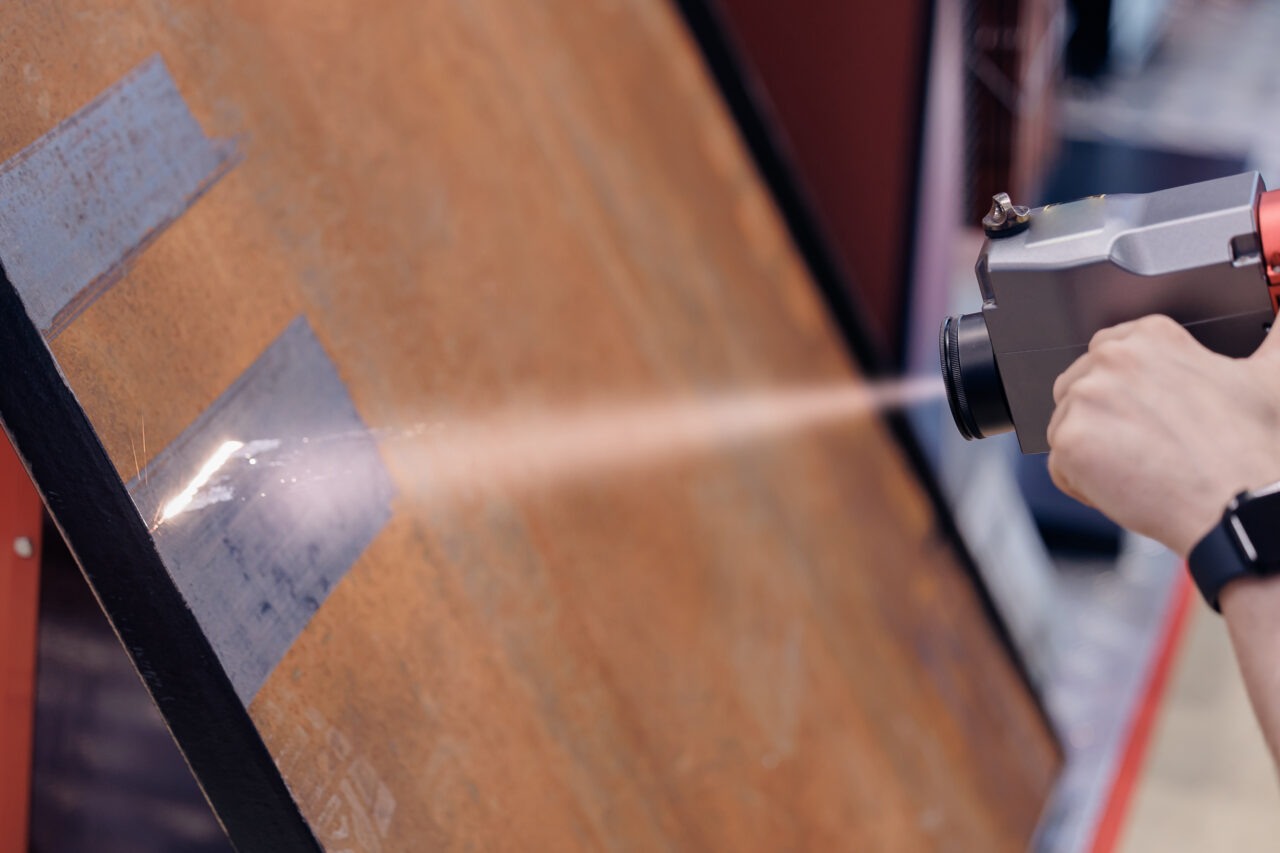
Laser coating removal metal is a surface treatment process that uses concentrated laser energy to remove unwanted coatings from metal components. The laser is directed onto the coated surface, where its energy interacts with the coating and causes it to separate, vaporize, or break away from the substrate.
The process can be carefully controlled according to the type of coating, metal substrate, thickness, and required cleaning result.
Unlike conventional abrasive cleaning, laser cleaning does not rely on physical blasting media to strip the surface. This makes it particularly useful for applications where precision and substrate protection are important.
Laser coating removal can be used on materials such as:
- Steel
- Stainless steel
- Aluminum
- Cast iron
- Copper
- Industrial machinery components
- Metal structures
- Automotive components
- Fabricated metal parts
The appropriate laser parameters depend on the specific application and material combination.
Why Is Laser Coating Removal Important for Metal Surfaces?
Industrial metal components are frequently protected with paint, powder coating, protective coatings, oxidation-resistant layers, or other treatments. When these coatings need to be repaired, replaced, inspected, or removed, the underlying metal must be prepared properly.
Traditional removal methods can sometimes be aggressive. Grinding may remove part of the base material, while abrasive blasting can create dust and secondary waste. Chemical stripping may require handling and disposal of chemicals.
Laser cleaning provides a controlled approach that can target the unwanted coating while minimizing unnecessary contact with the metal substrate.
This makes laser coating removal metal technology useful for industries where surface quality, precision, and repeatability matter.
How Does Laser Coating Removal Work?
The laser coating removal process generally involves several important steps.
- Surface Inspection- Before cleaning begins, the metal surface is inspected to identify the type and condition of the coating. Operators may evaluate coating thickness, contamination, corrosion, substrate material, and the desired final surface condition.
- Laser Parameter Selection- Laser settings are adjusted according to the application. Factors can include laser power, pulse characteristics, scanning speed, frequency, and working distance.
The objective is to deliver enough energy to remove the unwanted coating without unnecessarily affecting the underlying metal.
- Controlled Laser Scanning- The laser beam is moved across the coated surface using a controlled scanning pattern. As the laser interacts with the coating, the unwanted layer is progressively removed.
- Surface Verification- After cleaning, the surface can be inspected to determine whether the coating has been sufficiently removed and whether additional passes are required.
This controlled process allows laser cleaning to be adapted to different metal components and coating conditions.
Benefits of Laser Coating Removal for Metal
One of the main reasons industrial companies are considering laser technology is its combination of precision and efficiency.
Precision Cleaning- Laser systems can provide highly controlled cleaning. This is valuable when working with expensive or sensitive metal components where aggressive mechanical methods may be undesirable.
Reduced Abrasive Media- Unlike abrasive blasting, laser cleaning does not require large quantities of blasting media. This can reduce the amount of secondary material generated during the cleaning process.
Less Chemical Dependency- Laser coating removal can reduce the need for chemical stripping agents in suitable applications. This can simplify certain cleaning operations and reduce chemical handling requirements.
Selective Coating Removal- Laser parameters can be adjusted to target specific surface layers. This can be useful when removing paint or coatings while retaining the underlying metal.
Reduced Surface Contact- Because the cleaning action is generated through focused laser energy, there is no direct abrasive contact between blasting media and the metal surface.
Suitable for Industrial Applications- Laser cleaning systems are available for a wide range of industrial applications, from smaller components to large machinery and structures.
Laser Coating Removal vs. Traditional Methods
Different coating removal methods have different advantages, and the best option depends on the application.
Abrasive blasting is widely used for large-scale surface preparation, but it consumes blasting media and can generate significant dust and waste.
Chemical stripping can remove difficult coatings but requires appropriate chemical handling, ventilation, storage, and disposal procedures.
Mechanical grinding can be effective for localized removal but may require substantial labor and can potentially affect the underlying surface.
Laser coating removal offers a controlled, contactless approach that can be particularly valuable where precision, reduced secondary waste, and substrate protection are priorities.
For this reason, laser cleaning is increasingly being evaluated as part of modern industrial surface preparation strategies.
Applications of Laser Coating Removal Metal
The technology can be applied across several industries in the United States.
Manufacturing- Manufacturers may use laser cleaning to remove coatings from fabricated components, tooling, molds, and production parts before additional processing.
Automotive- Automotive components may require paint, oxide, or coating removal during restoration, repair, manufacturing, or surface preparation.
Aerospace- Aerospace components require careful surface treatment because component integrity and cleanliness are critical. Laser technology can be evaluated for coating removal and preparation applications where controlled processing is required.
Industrial Machinery- Paint, protective coatings, rust, and contaminants can accumulate on machinery during long-term operation. Laser cleaning can help prepare surfaces for inspection, maintenance, repair, or recoating.
Metal Fabrication- Fabrication companies can use laser cleaning for surface preparation before welding, coating, painting, or other manufacturing processes.
Restoration and Maintenance- Industrial equipment and metal structures may require the removal of old coatings before refurbishment. Laser technology can provide a precise method for targeted cleaning.
Laser Coating Removal for Paint and Protective Coatings
Paint and protective coatings are among the most common materials that need to be removed from metal.
Old coatings can become damaged, contaminated, or unsuitable for further service. Before applying a new coating, the existing layer may need to be removed to create a suitable surface.
With laser coating removal metal, operators can work systematically across the surface and adjust the cleaning parameters based on the coating and substrate.
This can be especially beneficial when working on valuable components where preserving the original metal is important.
Can Laser Cleaning Remove Multiple Coating Types?
Laser cleaning systems can be used for different types of coatings depending on the material, coating properties, thickness, and laser configuration.
Potential applications include the removal of:
- Industrial paint
- Powder coating
- Oxide layers
- Protective coatings
- Surface contaminants
- Certain adhesive residues
- Corrosion-related deposits
- Manufacturing residues
However, every material combination behaves differently under laser energy. Testing and appropriate parameter selection are important before carrying out large-scale production or restoration work.
Why Choose Laser Cleaning Services in the USA?
Businesses across the USA are looking for industrial cleaning technologies that can improve efficiency while supporting cleaner production processes.
Professional laser cleaning services can provide application-specific solutions instead of relying on a one-size-fits-all cleaning method.
A professional service provider can evaluate:
- Metal type
- Coating type
- Coating thickness
- Surface condition
- Component size
- Cleaning area
- Required finish
- Production requirements
Based on these factors, the appropriate laser cleaning approach can be selected.
For companies that do not want to purchase and maintain their own equipment, professional laser cleaning services can also provide access to specialized technology and trained operators.
Factors to Consider Before Laser Coating Removal
Although laser cleaning offers several advantages, selecting the correct process is important.
First, identify the metal substrate and coating that need to be removed. Different materials respond differently to laser energy.
Second, determine the desired cleaning result. Some applications require complete coating removal, while others may only require localized cleaning.
Third, consider the size and accessibility of the component. Large structures and complex geometries may require different laser equipment and scanning approaches.
Finally, professional evaluation and testing should be performed when the substrate or coating is sensitive.
The Future of Metal Surface Preparation
Industrial cleaning is moving toward technologies that provide greater control, automation, and process consistency. Laser cleaning fits into this trend by offering a digitally controlled method for removing unwanted surface layers.
Modern laser systems can be integrated into industrial workflows and, depending on the application, can support repeatable cleaning processes.
As manufacturers and maintenance companies continue to focus on productivity and more sustainable industrial practices, laser coating removal metal technology is becoming an increasingly interesting option for surface preparation.
Choose Professional Laser Coating Removal Solutions
Removing coatings from metal does not always require aggressive mechanical or chemical processes. Laser technology provides a precise and controlled alternative for suitable industrial applications.
From manufacturing and automotive components to machinery maintenance and metal fabrication, laser coating removal metal can help businesses address coating removal requirements with a modern cleaning approach.
If you are considering laser technology for your metal surface preparation project in the USA, professional evaluation is the best starting point. The correct laser system and parameters depend on the coating, substrate, component geometry, and desired cleaning result.
A properly evaluated laser cleaning process can help achieve efficient coating removal while maintaining greater control over the underlying metal surface.
FAQs
1. What is laser coating removal metal?
It uses focused laser energy to remove paint, coatings, rust, and contaminants from metal surfaces.
2. Can lasers remove paint from metal?
Yes, laser cleaning can effectively remove suitable paint and protective coatings from various metal surfaces.
3. Is laser coating removal safe for metal?
When properly controlled, laser cleaning can remove coatings while minimizing impact on the underlying metal.
4. Where is laser coating removal used?
It is used in manufacturing, automotive, aerospace, machinery, fabrication, and industrial maintenance.
5. Why choose laser coating removal?
It offers precise, contactless cleaning with reduced abrasive media and less chemical dependency.